PE-POL-VIS-047 · Standard + Custom

Visible Linear Polarizers

Film and prism polarizers for visible light polarization

Material
Quartz / Calcite / MgF₂
Wavelength
VIS (400-700nm)
Type
Linear Polarizer
Category
Optical Waveplates & Polarizers
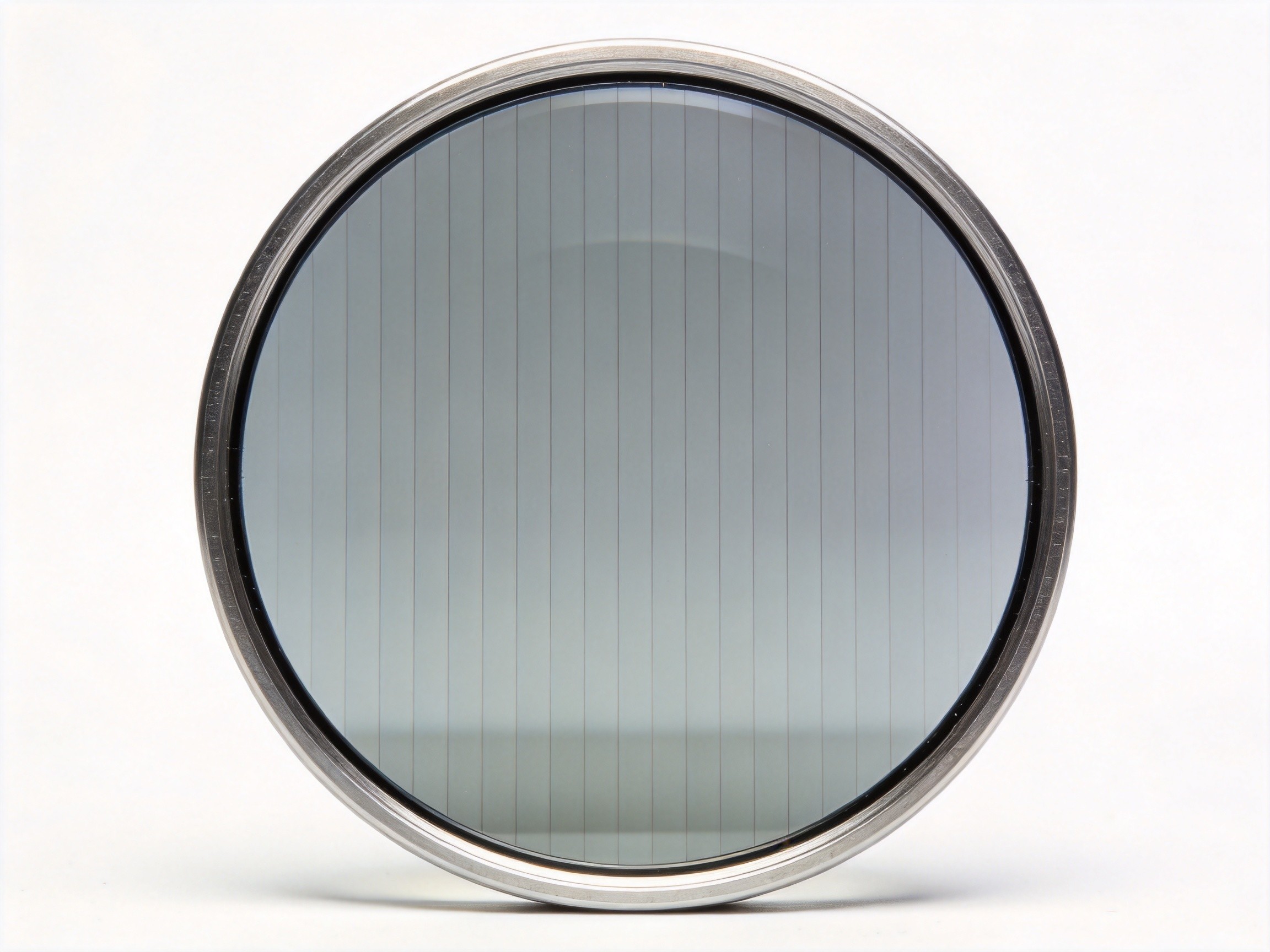
Visible Linear Polarizers

Key Specifications

TypeFilm / Prism Polarizer
MaterialPVA film / Calcite prism
Transmission AxisRotatable mount
Extinction Ratio> 100:1 (film) / > 10⁵ (prism)
Aperture5-50 mm (film) / 3-20 mm (prism)
Wavelength400-700nm (visible)
Damage ThresholdLow (film) / High (prism)
AR CoatingsOptional

What Is a Visible Linear Polarizers?

Visible Linear Polarizers provide precise polarization control for optical systems. Film and prism polarizers for visible light polarization.

PhotonEdge offers standard and custom waveplates and polarizers in quartz, calcite, MgF₂, and α-BBO materials for visible, UV, and NIR applications.

When Should You Use This Product?

✔ Good Choice When

  • ✓ General visible light polarization
  • ✓ LCD and display characterization
  • ✓ Polarization education and demonstrations
  • ✓ Budget polarization control

⚠ Consider an Alternative When

✗ Laser-grade extinction → Glan-Type Polarizer
✗ Retardance control → Zero-Order Waveplate
✗ UV/IR wavelength → UV/IR polarizer
✗ Beam splitting → Polarizing Beamsplitter

Available Optical Materials

Select the optimal substrate material based on your wavelength, environment, and budget requirements.

MaterialTransmissionKey AdvantageConsiderations
QuartzVIS / NIRStandard waveplate material, good durabilityWavelength-sensitive retardance
MgF₂UV / VISUV-compatible waveplate materialLower damage threshold than quartz
CalciteVIS / NIRHigh birefringence for polarizersLimited aperture size

Not sure which material to choose?

Ask AI Optical Engineer

Optical Coating Options

Uncoated (AR optional)

Uncoated polarizing elements. Optional AR available.

Typical use: General polarization control

BBAR Visible

Broadband AR for 400-700nm. R < 0.5% per surface.

Typical use: Visible polarization applications

AR Custom Wavelength

Custom AR for specific wavelength bands.

Typical use: Laser or specialized applications

How to Specify Your Coating

To select the right coating, please provide: (1) Operating wavelength, (2) Angle of incidence, (3) Required transmission or reflectivity, (4) Laser power density (if applicable), (5) Operating environment.

Engineering Considerations

Key factors to evaluate when specifying this optical component for your system.

Retardance Accuracy

Zero-order: ±λ/200; Multiple-order: ±λ/50. Specify based on system requirements.

Wavelength Sensitivity

Multiple-order waveplates are highly wavelength-sensitive. Zero-order and achromatic designs offer better broadband performance.

Temperature Sensitivity

Retardance shifts with temperature. Zero-order and achromatic designs are more stable.

Extinction Ratio

For polarizers, higher extinction ratio = better polarization purity. Glan-Laser: > 10⁵.

Have a Custom Optical Requirement?

Upload your drawing or describe your specification. Our engineering team will review and respond within 24 hours with a detailed quotation.

Upload Drawing / RFQ Ask AI Optical Engineer

Applications

Laser Systems

Polarization control and management in laser cavities and beam paths.

Spectroscopy

Polarization-sensitive measurements and ellipsometry.

Telecommunications

Polarization-maintaining components for fiber optic systems.

Research & Metrology

Precision polarization experiments and optical metrology.

Manufacturing & Customization

PhotonEdge supports optical component sourcing, engineering review, and qualified manufacturing through our optical manufacturing network. We coordinate production, coating, and inspection to deliver components that meet your specifications.

🔬
Prototype
⚙️
Low Volume
🏭
Volume Production
📋
Custom Specification

Quality Assurance

Dimensional Inspection

Diameter, thickness, focal length verified per specification

Surface Quality

Scratch-dig inspection under calibrated illumination

Coating Verification

Spectrophotometric measurement of transmission/reflectance

Inspection documentation available according to project requirements. Certificates of Conformance, material test reports, and coating curves can be provided.

You May Also Need

Related Knowledge

Engineering Documentation

The following documentation is available upon request for qualified engineering projects:

📐
Dimensional Drawing

CAD & dimensional specs per your requirements

📊
Material Data Sheet

Material properties, transmission curves & certificates

📈
Coating Performance Curve

Spectrophotometric measurement data

🔍
Inspection Report

Surface quality, flatness, centration & dimensional data

✅
Certificate of Conformance

CoC with full traceability per project requirements

📋
Custom Specification Sheet

Application-specific specification documentation

Documentation availability depends on project scope and order quantity. Request details during RFQ.

Further Reading: Engineering Guides

Deepen your understanding with our engineering guides and application notes:

Laser Optics Components Guide Optical Coatings Complete Guide AR Coating Specification Guide Browse All Knowledge Center Articles Browse All Application Notes

Ordering Information

Price Range
See Quote
Standard Lead Time
Ships within 1 week after payment
Custom Lead Time
Subject to engineering evaluation
MOQ
1 Piece
Samples
Available

Contact us for exact pricing based on your specifications.

Specification Parameters

Typical Specifications shown on this page are standard capabilities. Available Options include alternative materials and coatings. Custom Specifications are available per your drawing. Requirements beyond standard capability are marked Subject to Engineering Review.

Get a Quote Full Ordering Guide

Frequently Asked Questions

What is the difference between zero-order and multiple-order waveplates?

Zero-order waveplates are thinner and have less wavelength/temperature sensitivity. Multiple-order waveplates are less expensive but more sensitive to wavelength and temperature changes.

What retardance accuracy do you offer?

Standard tolerance is ±λ/50 for multiple-order and ±λ/200 for zero-order waveplates. Tighter tolerances available on request.

Can waveplates be used with high-power lasers?

Yes. Specify your laser power density for proper material and coating selection. Zero-order crystalline waveplates handle high power well.

What materials are used?

Standard materials include quartz (for VIS-NIR), MgF₂ (for UV), and ZnSe (for IR). Achromatic waveplates use compound designs.

How do I specify a waveplate?

Provide: retardance (λ/4 or λ/2), design wavelength, clear aperture, and power requirements.

What is the operating temperature range?

Crystalline waveplates typically operate from -40°C to +80°C. Achromatic waveplates may have more limited ranges.

Not Sure Which Specification You Need?

Describe your optical system and our AI Optical Engineer will help identify the right specifications, materials, and coatings for your application.

Analyze My Requirement

Request a Quote

Provide your requirements and our engineering team will respond within 24 hours with a detailed quotation.

TypeMaterialTransmission AxisExtinction RatioApertureWavelengthDamage ThresholdAR Coatings
Submit Engineering Request

Have a Custom Requirement?

Upload your drawing or specifications. Our engineering team will review and respond within 24 business hours.

Upload Your Drawing Request a Quote