PE-WINDOW-BK7-013 · Standard + Custom

BK7 Optical Windows

General-purpose optical windows for visible and NIR applications

Material
N-BK7 (K9)
Wavelength
VIS / NIR (350-2000nm)
Type
Flat / Parallel
Category
Optical Windows
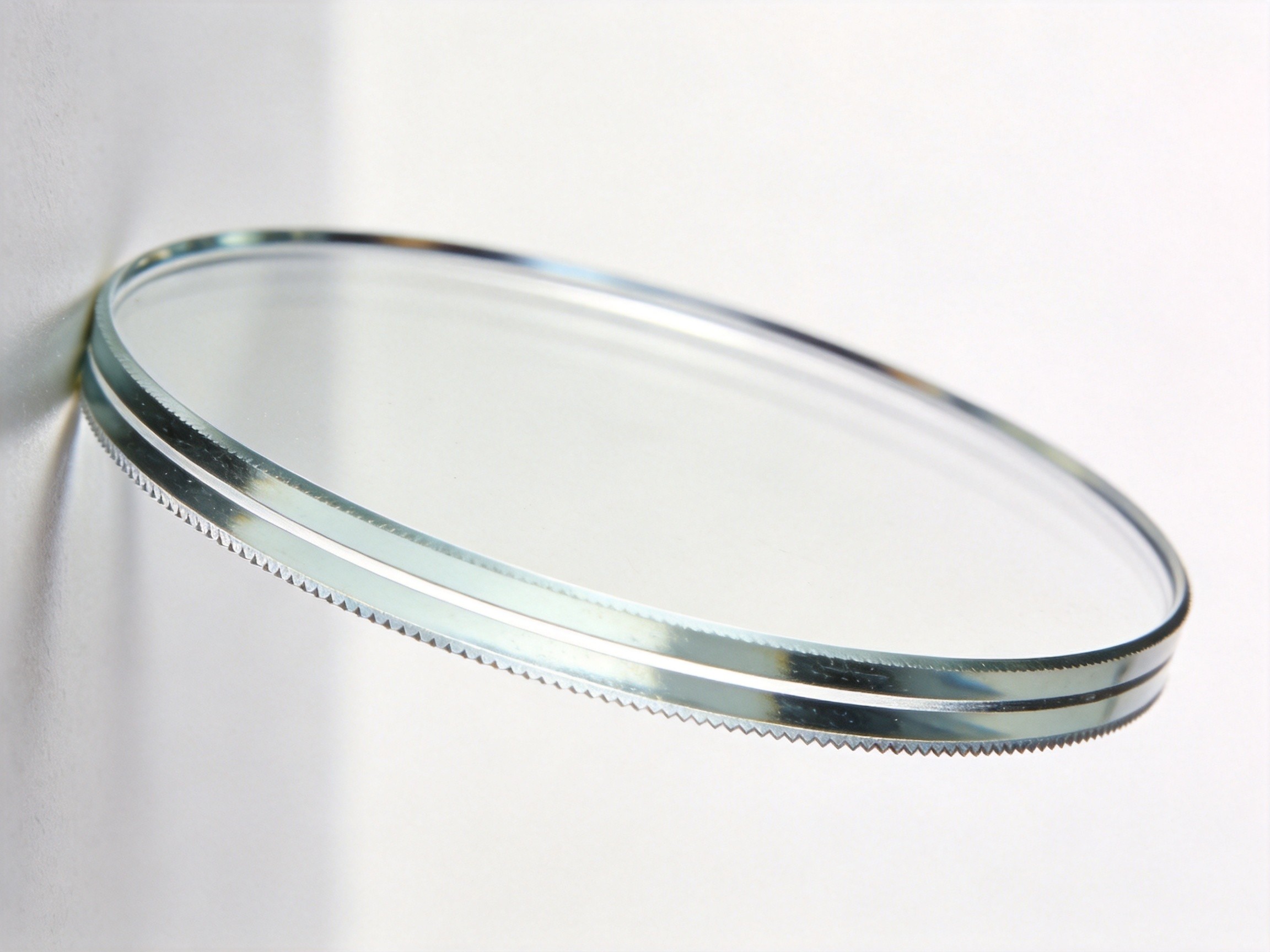
BK7 Optical Windows

Key Specifications

MaterialN-BK7 (K9)
Transmission Range350 nm - 2000 nm
Diameter Range5 mm - 150 mm
Thickness Range1 mm - 50 mm
Surface Quality40-20 (standard) / 20-10
FlatnessΞ»/4 @ 632.8 nm (standard)
Parallelism< 3 arc min
ShapesCircular, rectangular, custom

What Is a BK7 Optical Windows?

BK7 optical windows are fabricated from N-BK7 optical glass, the most widely used optical material for visible and near-infrared applications. They provide excellent transmission, good homogeneity, and low cost.

Windows serve as protective barriers that seal enclosures while allowing optical access. BK7 windows are used in imaging systems, laser enclosures, sensor housings, and general optical instrumentation.

When Should You Use This Product?

βœ” Good Choice When

  • βœ“ General-purpose visible/NIR optical access
  • βœ“ Imaging system protective windows
  • βœ“ Laser enclosure viewing ports
  • βœ“ Budget-conscious applications in visible range

⚠ Consider an Alternative When

βœ— UV transmission needed (< 350nm) β†’ UV Fused Silica Window
βœ— Extreme scratch resistance β†’ Sapphire Window
βœ— Mid-IR application (> 3Β΅m) β†’ ZnSe Window
βœ— High thermal shock resistance β†’ UV Fused Silica Window

Available Optical Materials

Select the optimal substrate material based on your wavelength, environment, and budget requirements.

MaterialTransmissionKey AdvantageConsiderations
N-BK7VIS / NIR (350-2000nm)Low cost, good visible performanceNo UV transmission below 350nm
UV Fused SilicaUV / VIS / NIR (185-2100nm)Best UV transmission, low CTE, no solarizationPremium cost
SapphireUV / VIS / NIR (150-5500nm)Extreme hardness (9H), scratch resistantBirefringent, higher Fresnel loss
CaFβ‚‚UV / VIS / IR (130-7800nm)Broadest transmission, low index, excellent UVFragile, moisture sensitive

Not sure which material to choose?

Ask AI Optical Engineer

Optical Coating Options

AR 350-650nm

Broadband AR for visible range. R < 0.5% per surface.

Typical use: General visible laser and imaging

AR 650-950nm

AR for NIR range (780nm, 808nm, 850nm diodes).

Typical use: NIR laser diode collimation and fiber coupling

AR 950-1250nm

AR for 1064nm and nearby wavelengths.

Typical use: Nd:YAG and fiber laser systems

BBAR

Low reflection across 400-1000nm broadband.

Typical use: Multispectral applications

Uncoated

Raw glass surface. ~4% reflection per surface.

Typical use: Non-critical applications

How to Specify Your Coating

To select the right coating, please provide: (1) Operating wavelength, (2) Angle of incidence, (3) Required transmission or reflectivity, (4) Laser power density (if applicable), (5) Operating environment.

Engineering Considerations

Key factors to evaluate when specifying this optical component for your system.

Wavelength

BK7 transmits from 350-2000nm. For UV below 350nm, use fused silica.

Flatness

Ξ»/4 is standard for most applications. For interferometric systems, specify Ξ»/10 or tighter.

Thickness

Thicker windows provide better flatness but add weight and cost. Consider pressure differential requirements.

AR Coatings

Both surfaces contribute ~8% total reflection loss. AR coatings significantly improve throughput.

Applications

Imaging Systems

High-resolution image formation for industrial and scientific imaging.

Machine Vision

Inspection, measurement, and quality control in manufacturing.

Medical Devices

Optics for microscopy, endoscopy, and diagnostic imaging.

Research & Education

Laboratory setups and experimental optics.

Manufacturing & Customization

PhotonEdge supports optical component sourcing, engineering review, and qualified manufacturing through our optical manufacturing network. We coordinate production, coating, and inspection to deliver components that meet your specifications.

πŸ”¬
Prototype
βš™οΈ
Low Volume
🏭
Volume Production
πŸ“‹
Custom Specification

Quality Assurance

Dimensional Inspection

Diameter, thickness, focal length verified per specification

Surface Quality

Scratch-dig inspection under calibrated illumination

Coating Verification

Spectrophotometric measurement of transmission/reflectance

Inspection documentation available according to project requirements. Certificates of Conformance, material test reports, and coating curves can be provided.

You May Also Need

Related Knowledge

Engineering Documentation

The following documentation is available upon request for qualified engineering projects:

πŸ“
Dimensional Drawing

CAD & dimensional specs per your requirements

πŸ“Š
Material Data Sheet

Material properties, transmission curves & certificates

πŸ“ˆ
Coating Performance Curve

Spectrophotometric measurement data

πŸ”
Inspection Report

Surface quality, flatness, centration & dimensional data

βœ…
Certificate of Conformance

CoC with full traceability per project requirements

πŸ“‹
Custom Specification Sheet

Application-specific specification documentation

Documentation availability depends on project scope and order quantity. Request details during RFQ.

Frequently Asked Questions

What sizes are available?

Standard diameters range from 5mm to 100mm with thicknesses from 1mm to 50mm. Larger sizes and custom shapes are available upon request.

Can these windows be used in vacuum environments?

Most optical window materials are compatible with vacuum environments. Fused silica and sapphire have very low outgassing characteristics.

What surface quality do you recommend?

For laser applications, 10-5 is recommended. For general-purpose windows, 20-10 is acceptable and more economical.

Can I specify a custom shape?

Yes. Circular, rectangular, square, and custom shapes are available. Provide your drawing or dimensional requirements for a quotation.

What flatness should I specify?

Ξ»/10 is standard for precision applications. For wavefront-critical systems, Ξ»/20 or tighter is available. Note that tighter flatness directly affects cost.

How do I specify a custom window?

Provide: material, diameter/shape, thickness, wavelength, surface quality, flatness, coating requirements, and quantity.

What is BK7 glass?

N-BK7 is the most common optical glass, offering excellent visible transmission, good homogeneity, and low cost.

Can BK7 windows be used in UV?

BK7 transmits from ~350nm. For deeper UV, use UV Fused Silica which transmits to 185nm.

Not Sure Which Specification You Need?

Describe your optical system and our AI Optical Engineer will help identify the right specifications, materials, and coatings for your application.

Analyze My Requirement

Request an Engineering Quote

Provide your requirements and our engineering team will respond within 24 hours with a detailed quotation.

MaterialTransmission RangeDiameter RangeThickness RangeSurface QualityFlatnessParallelismShapes
Submit Engineering Request